Why Your Website Is Your #1 Employee
The most underpaid, underutilized, and overlooked member of your team is clocked in right now — 24 hours a day, 7 days a week. The only question is whether it's working for you or against you.

Let's start with a question most business owners have never seriously asked themselves: What would happen to your revenue if your best employee just stopped showing up?
Not quit. Not got sick. Just silently stopped doing their job. No calls went out. No leads got followed up. No questions got answered. No trust got built. Just silence.
That's exactly what's happening right now for thousands of small businesses across the country — except the employee in question isn't a person. It's their website.
Your website has the potential to be the single most productive, most consistent, and most cost-effective team member you've ever had. It can work every hour of every day without a break, a raise, a sick day, or a bad mood. It can answer customer questions, build trust with strangers, generate leads while you sleep, and position your business ahead of the competition — all at the same time.
But only if it's actually built to do those things.
The hard truth is that most small business websites are not built to perform. They're built to exist. There's a massive difference — and that difference is costing business owners real money every single day.
In this post, we're going to break down exactly why your website deserves to be treated as your most important business asset, what it should be doing for you around the clock, and what it takes to turn a passive digital placeholder into an active, revenue-generating engine.
Your website doesn't clock out. Your employees do. That single fact should tell you everything about the opportunity sitting right in front of you.
The Way People Find Businesses Has Fundamentally Changed
There was a time — not that long ago — when word of mouth and a listing in the Yellow Pages were enough to keep a local business busy. If you had a good reputation and a recognizable name in your community, customers would find you.
That world is gone.
Today, the journey from 'I need this service' to 'I'm calling this business' almost always starts with a search engine. According to research from BrightLocal, 98% of consumers used the internet to find information about local businesses in 2023. Not 50%. Not 75%. Ninety-eight percent.
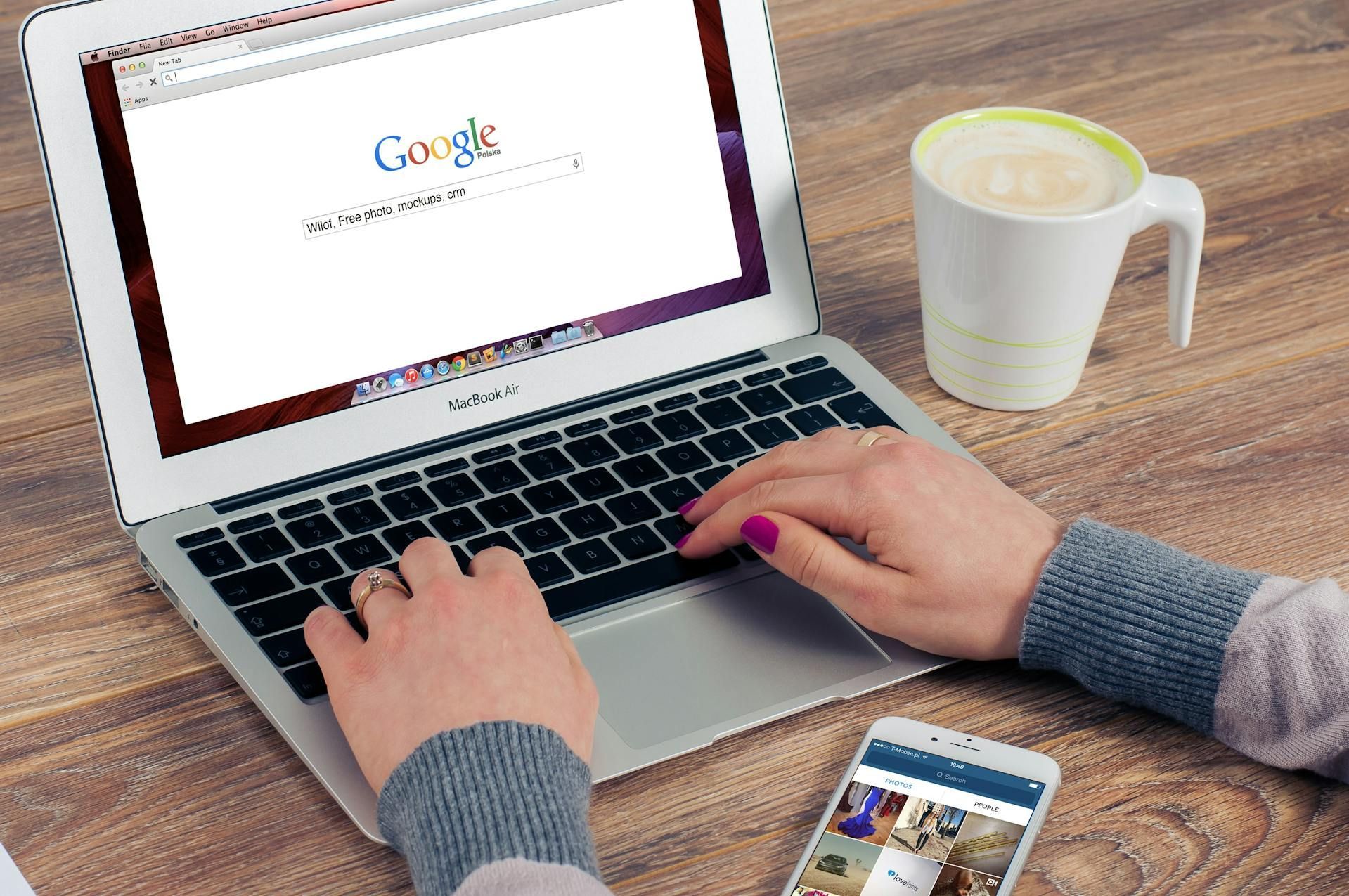
That means before a potential customer ever walks through your door, calls your number, or fills out your contact form, they've already gone to Google. They've already searched for what they need. And they've already formed an opinion about the businesses that came up — including yours.
Here's where it gets even more important: that opinion forms fast. Research from Google and other UX studies has shown that users form a visual impression of a website in as little as 50 milliseconds. That's 0.05 seconds. Less than the blink of an eye. In that fraction of a second, your website is either communicating professionalism, trust, and competence — or it's communicating that you're behind the times and not worth their time.
And if they're not impressed? They hit the back button and click on your competitor's listing instead. You never even knew they were there.
This is the new reality of small business. Your website isn't just a digital business card anymore. It is the front door to your business — and most people are judging what's inside before they ever open it.
Your Website as a 24/7 Team Member: What It Should Be Doing
When we talk about treating your website like your #1 employee, we're not talking about aesthetics. We're talking about function. A high-performing website is a system — and like any good team member, it has specific jobs it needs to do every single day. Here's what that looks like in practice:
Answering Customer Questions Before They Even Ask
The number one reason someone visits a small business website is simple: they want to know something. What are your hours? Do you serve my area? Do you offer the specific service I need? How much does it typically cost? What makes you different from the three other options I'm considering?
A website that answers these questions clearly, quickly, and confidently does something remarkable — it removes friction. It eliminates the need for a phone call just to get basic information. And in a world where people have zero patience for confusion or inconvenience, a website that gets straight to the point is a website that keeps people engaged long enough to take the next step.
If your website makes visitors work to find basic information, they won't work. They'll leave.
Building Trust Before You've Said a Single Word
Trust is the currency of business. Without it, nothing else matters. And your website is your first — and sometimes only — opportunity to establish it with a stranger.
Every element of your website sends a trust signal. Professional photography says you take your work seriously. Real customer reviews say others have trusted you and been happy with the result. Clear, confident copywriting says you know your industry. A modern, clean design says you're current and attentive to detail. An HTTPS secure connection says you care about user safety.
On the flip side, an outdated design, stock photos that look generic, no reviews or social proof, slow load times, and broken links all send the opposite message — even if unintentionally. Visitors read these signals subconsciously and make snap judgments. By the time they're consciously thinking about whether to trust you, their gut has already decided.
Your website's job is to make sure that gut reaction is 'yes.'
Generating Leads While You're Sleeping, Eating, or On Vacation
This might be the most powerful thing a great website does — and the most underappreciated. When you leave work at 6pm, your website keeps working. When you're on the phone with one client, your website is available to a dozen others. When you take a week off in the summer, your website doesn't take a day off.
A website with a clear, prominent call to action — whether that's a contact form, a phone number above the fold, an online booking button, or a quote request tool — can capture leads at any hour. Those are real potential customers who were ready to take action and didn't have to wait for business hours to do it.
For service businesses especially, this is a game-changer. The person searching for a plumber at 11pm on a Friday isn't going to wait until Monday morning. If your website makes it easy to request service immediately, you have a significant advantage over competitors whose sites make it difficult or confusing.
Showing Up in Local Search Results
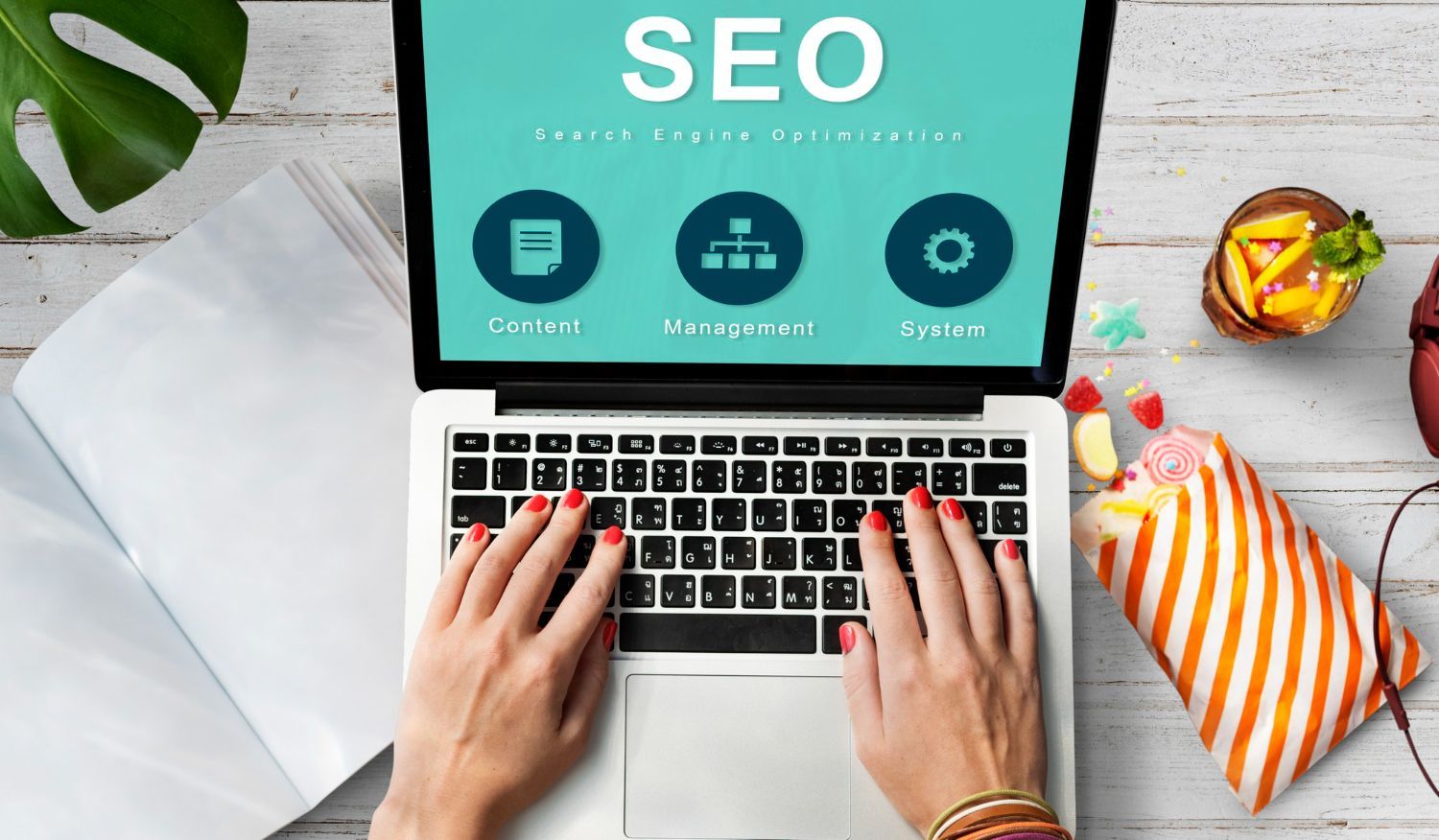
A website can't generate leads if no one can find it. This is where local SEO — search engine optimization — becomes critical for small businesses.
Local SEO is the set of technical and content-based practices that help your website appear prominently when people in your area search for the services you offer. It includes things like making sure your site is properly structured with relevant keywords, that your business name, address, and phone number are consistent across the web, that you have quality backlinks from local or industry-relevant sources, and that your Google Business
Profile is fully optimized and connected to your site.
When done right, local SEO means your business shows up at the top of search results exactly when and where potential customers are looking. When ignored, it means you're essentially invisible — even if you've been serving your community for decades.
Being invisible on Google isn't a neutral position. Every day you don't show up is a day your competitor does — and those customers go to them, not you.
The Real Cost of a Broken or Underperforming Website
Here's what most business owners don't realize: a bad website doesn't just fail to help you — it actively hurts you. And the worst part is that the damage is invisible. You don't see the people who visited and left. You don't get a notification when someone bounced in two seconds because your page took too long to load. You just don't get the call.
Let's put some real numbers behind this. Google has found that as page load time increases from one second to three seconds, the probability of a user bouncing increases by 32%. Go from one second to five seconds and that number jumps to 90%. That means if your website is slow — and most small business websites are — you could be losing nearly half your potential visitors before they ever see a single word of your content.
And slow load times are just one problem. Here are the most common ways a poorly built website costs small businesses real money every month:
- No mobile optimization — over 60% of all web searches happen on mobile devices. A site that isn't designed for mobile doesn't just look bad on a phone — it actively frustrates users and signals to Google that your site should rank lower
- No clear call to action — if visitors don't know what to do next, they do nothing. Every page without a clear next step is a missed conversion opportunity
- Poor or missing local SEO — if Google can't easily understand what your business does and where you serve, you won't show up in local search results, period
- No trust signals — missing reviews, no team photos, no credentials, generic stock imagery — these details make visitors feel uncertain, and uncertain visitors don't convert
- Outdated design — a site that looks like it was built in 2012 tells the visitor your business may be just as outdated — whether or not that's true
- No analytics or tracking — if you're not measuring what's happening on your website, you have no idea what's working, what isn't, or how to improve
Every one of these issues is fixable. But you have to know they're there first — and you have to be willing to treat your website as a business system that deserves real investment and attention, not just a one-time expense you never revisit.
The Five Non-Negotiables of a Website That Actually Works
At Cre8 My Site, we've built websites across dozens of industries for businesses ranging from solo operators to multi-location service companies. And in that experience, we've identified five elements that separate a website that generates real results from one that just takes up space on the internet.
1. Speed That Meets Modern Expectations
We've already talked about the data, but it bears repeating: speed is not optional. Your website needs to load in under two seconds on mobile — ideally under one. This requires optimized image files, clean code, a high-quality hosting environment, and proper caching and delivery systems. A slow website is an expensive website, even if it seems like it's saving you money in the short term.
2. A Mobile-First Design That Works on Every Screen
Mobile-first isn't a design trend — it's the reality of how people use the internet. Your website needs to be designed from the ground up to deliver a flawless experience on a smartphone screen. That means large, tappable buttons. Text that doesn't require zooming. Images that scale properly. Navigation that makes sense on a small screen. And a contact option that's always within one tap's reach.
Beyond user experience, Google now uses mobile-first indexing — meaning it evaluates and ranks your website primarily based on the mobile version. A site that performs poorly on mobile will rank poorly everywhere.
3. Crystal-Clear Calls to Action on Every Page
Every page of your website should have one primary job: to guide the visitor toward a specific next action. On your homepage, that might be 'Request a Free Quote.' On a service page, it might be 'Book a Consultation.' On your About page, it might be 'See Our Work.'
The call to action should be visually prominent — a button, not a text link. It should use action-oriented language that tells the visitor exactly what will happen when they click. And it should be placed where visitors naturally look: above the fold on the homepage, at the end of every service description, and in the header on every page.
When you make it easy for people to take the next step, more of them do. It really is that simple.
4. A Solid Local SEO Foundation
For the vast majority of small businesses, your customers are local. They're within driving distance. And they're finding you — or not finding you — through local search. Building a website with strong local SEO means more than just mentioning your city name a few times.
It means properly structured title tags and meta descriptions that include your location and primary services. It means an embedded Google Map on your contact page. It means consistent NAP (Name, Address, Phone) information across your website and every directory listing on the web. It means an optimized Google Business Profile that's connected to your site and regularly updated with posts, photos, and responses to reviews. It means schema markup that tells Google exactly what type of business you are, where you're located, and what your hours are.
Done right, local SEO is the single most powerful thing you can do to get found by customers who are actively ready to buy. Done wrong or ignored entirely, and you're essentially invisible to the people most likely to become your clients.
5. Trust Signals That Convert Skeptics into Customers
Every visitor who lands on your website is making a decision: do I trust this business enough to take the next step? Your job is to make that decision easy.
Trust signals include customer reviews and testimonials — ideally pulled directly from Google or shown with the reviewer's name and photo. They include professional photography of your team, your work, and your location. They include any certifications, awards, or professional memberships your business has earned. They include a clearly written About page that tells your story in a human, relatable way. And they include the technical trust markers that users have come to expect — an SSL certificate (the padlock in the browser bar), a clear privacy policy, and visible contact information.
None of these elements alone is going to make or break your conversion rate. But together, they create an environment of credibility that makes it easy for a stranger to decide they want to do business with you.
Trust isn't built in a single moment. It's built through dozens of small signals across your entire website — and every one of them either adds to or subtracts from the final verdict.
What Does It Actually Cost to Have a Website That Performs?
This is the question we get asked more than any other. And the honest answer is: a lot less than most business owners think — and a lot less than the cost of not having one.
Consider what a single full-time employee costs. In the United States, the average annual cost of a full-time employee — including salary, benefits, payroll taxes, training, and turnover — ranges from $50,000 to well over $100,000 depending on the role and the market.
A professionally designed, fully optimized website built on a solid technical foundation costs a fraction of that. And unlike an employee, your website doesn't leave for a better offer, call in sick on your busiest day, or need annual performance reviews. It just works — consistently, reliably, and around the clock.
The real cost calculation isn't what you spend on your website. It's what you're losing every month because your current site isn't performing. If even one or two additional customers a month found you through a better-performing website, how much would that be worth to your business over a year? Over five years?
For most small businesses, the answer is tens of thousands of dollars. Sometimes significantly more.
The website is never the expense. Invisibility is the expense.
How to Audit Your Current Website: A Quick Self-Check
Not sure how your current website stacks up? Here's a simple way to evaluate it right now. Pull up your website on your phone — not your desktop — and ask yourself these questions honestly:
- Does the page fully load in under three seconds?
- Is everything readable without pinching or zooming?
- Is it immediately obvious what your business does and who it serves?
- Is there a clear way to contact you visible without scrolling?
- Do the photos look professional and specific to your business — or generic?
- Are there real customer reviews or testimonials visible?
- Does the overall design look like it was built in the last two or three years?
- If you Google your business category plus your city, do you show up on page one?
If you answered no to more than two or three of those questions, your website is not working for you. It may not be actively driving people away — but it's definitely not pulling its weight as your #1 employee.
The good news is that every single one of those problems is fixable. And fixing them doesn't require starting from scratch or spending a fortune. It requires working with people who understand both the technical side of website performance and the business goals that performance needs to support.
Putting It All Together: Your Website as a Growth Engine
Let's bring this full circle. The businesses winning online right now — the ones showing up at the top of local search, the ones whose phones ring consistently, the ones whose websites generate leads while the owner is out doing the actual work — they're not winning by accident.
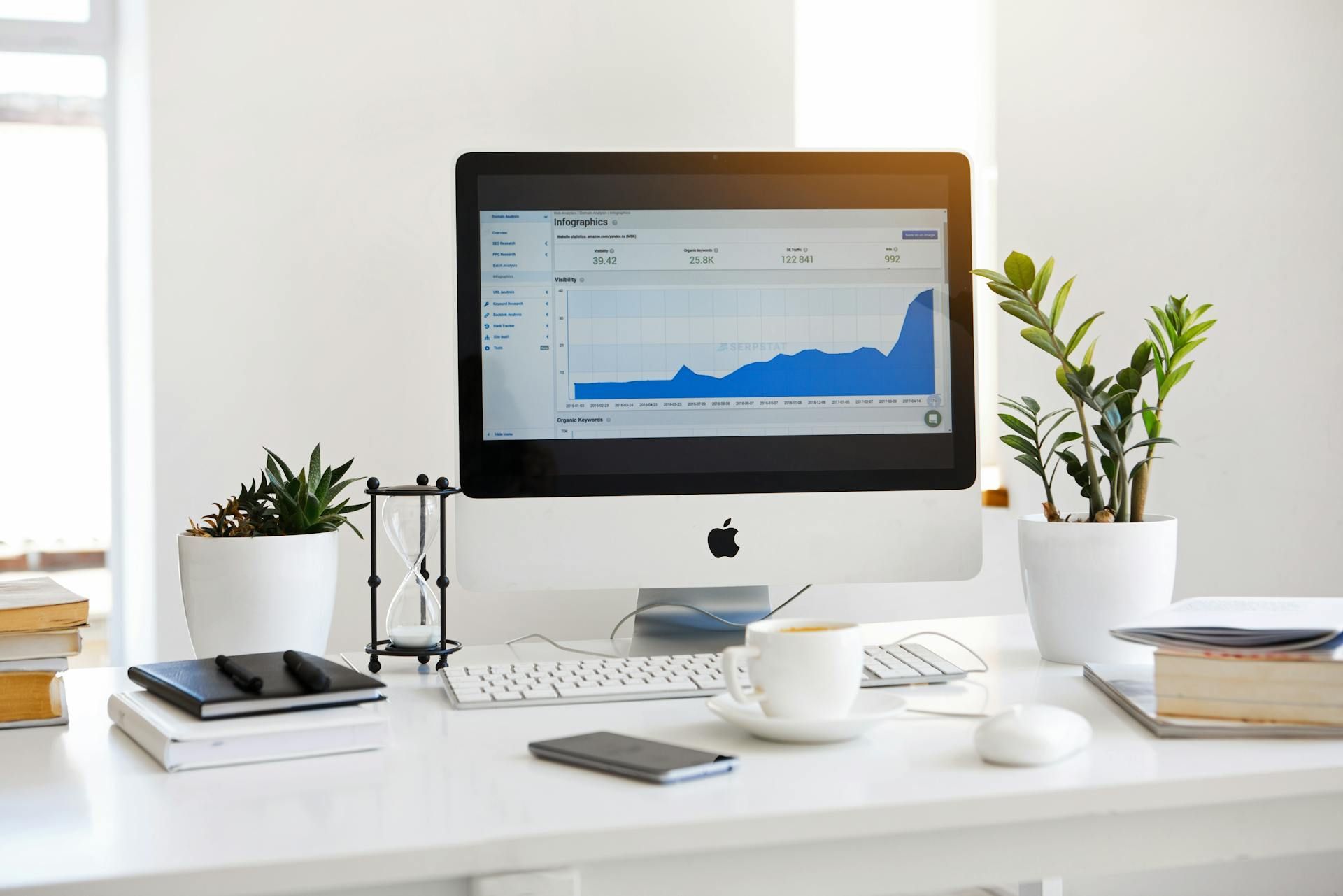
They've made a deliberate decision to treat their website as a core business asset rather than a check-the-box expense. They've invested in speed, mobile experience, local SEO, clear conversion paths, and trust-building content. They review their website analytics regularly. They keep their Google Business Profile active. They respond to reviews. They update their content.
In short, they treat their website the same way they'd treat their best employee — with attention, investment, and accountability.
The businesses that are struggling online are doing the opposite. They built a website years ago, handed it off, and forgot about it. They don't know their site's load time or bounce rate. They haven't added new content or photos in months or years. They're relying on a digital presence that was adequate in a different era and is now quietly costing them customers every single day.
The gap between those two types of businesses is only going to grow. Google keeps raising the bar on what it takes to rank. Consumer expectations around website experience keep getting higher. The businesses that treat their website seriously now are building a compounding advantage that will be harder and harder for the others to overcome.
There's never been a better time to get serious about your website. And there's never been a worse time to ignore it.
The businesses that grow online aren't the ones with the biggest budgets. They're the ones with the best presence. Speed. Clarity. Trust. Visibility. That's the formula.
Ready to Make Your Website Work as Hard as You Do?
At Cre8 My Site, we build websites that do more than look good. We build sites that perform — sites that load fast, rank locally, convert visitors into leads, and represent your business the way it actually deserves to be represented.
Every website we launch is built with the full foundation your business needs to compete online: mobile-first design, local SEO setup, Google Business Profile optimization, ADA compliance, fast and secure hosting, and conversion-focused copywriting. No cutting corners. No templates that look like everyone else's site. A custom, results-driven online presence built specifically for your business and your goals.
And we do all of it without the bloated agency price tag that makes most small business owners feel like professional web design is out of reach. It isn't. Not with us.
If you read this post and felt that uncomfortable recognition — that your website isn't doing what it should be doing — that feeling is data. It's telling you something needs to change.
Let's start with a free website audit. We'll take an honest look at your current site, tell you exactly what's working and what isn't, and give you a clear picture of what it would take to turn your website into the productive, reliable, always-on team member your business deserves.
No pitch. No pressure. Just clarity — and a path forward.
Get your free website audit today. Drop us a message, send us a DM, or give us a call. Let's build something that works.